Australia is one of the most popular study destinations in the world for international students in 2026. Every year, hundreds of thousands of students from India, China, Nepal, Vietnam, and many other countries choose Australian universities for their strong teaching, safe cities, and the chance to work while studying. If you are thinking about studying in Australia, this guide explains the best universities, the real costs, and how the student visa process works.
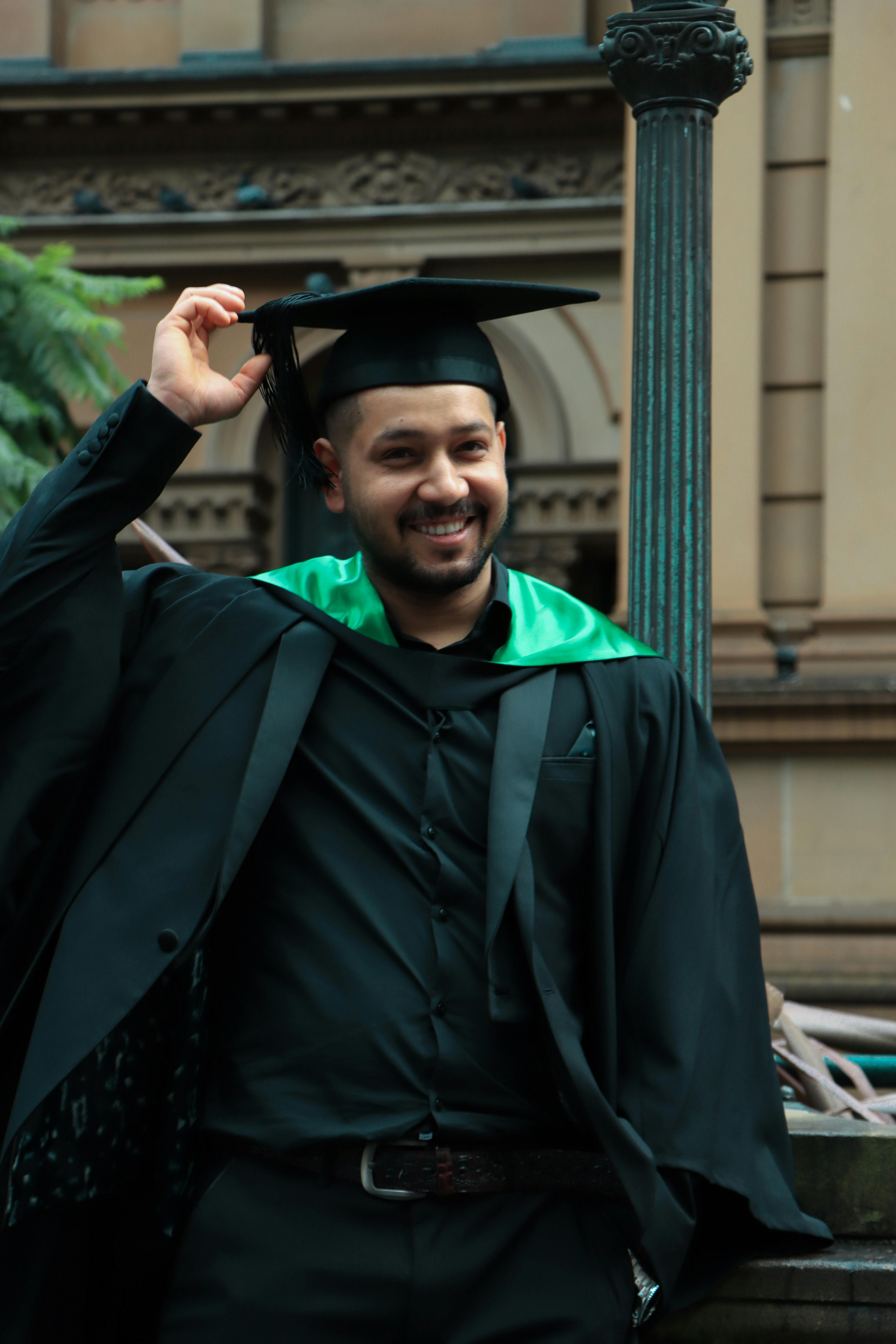
Photo by Sagar Ganesh on Pexels
Why Study in Australia in 2026?
Australia offers a combination that few countries can match. Its universities are consistently ranked among the best in the world, its cities are known for safety and quality of life, and its campuses are genuinely multicultural. International students can work part-time during their studies, which helps with living costs and builds local experience. After graduation, many students can apply for a temporary graduate visa that lets them stay and work in Australia for a further period.
Another reason students choose Australia is the quality of student support. Universities have dedicated international student offices, English language help, and career services. The country also has strong rules protecting international students, including clear standards for tuition, refunds, and support services.
Best Universities in Australia for International Students
Australia’s leading universities are known as the Group of Eight, and they include some of the most respected names in global higher education. The University of Melbourne, the University of Sydney, the University of New South Wales, and the Australian National University in Canberra are among the highest ranked, and they are especially strong in medicine, engineering, law, business, and the sciences.
When you choose a university, look beyond the rankings. Check the specific course content, the internship and placement options, the location, and the total cost. A slightly lower-ranked university with a strong programme in your subject and good industry links may serve you better than a famous name with a weaker course in your field.
Cost of Studying in Australia in 2026
Studying in Australia is a serious financial commitment, so plan the budget honestly. Tuition fees for international students vary widely by subject and university. Undergraduate degrees typically cost between AUD 25,000 and AUD 45,000 per year, while postgraduate degrees can range from AUD 30,000 to AUD 50,000 per year. Medicine, dentistry, and veterinary science are the most expensive, sometimes exceeding AUD 70,000 per year.
Living costs add a significant amount. The Australian government expects international students to have access to around AUD 25,000 or more per year for living expenses, including rent, food, transport, and health cover. Sydney and Melbourne are the most expensive cities, while Adelaide, Brisbane, and Perth are generally cheaper. Sharing accommodation, cooking at home, and using student transport discounts can bring costs down considerably. Do not forget the other costs: the student visa application fee, overseas student health cover, which is compulsory, flights, and the money you need to settle in during your first weeks.
Scholarships for International Students in Australia
Scholarships can make a real difference to the cost of studying in Australia. The Australian government offers awards such as the Australia Awards, which cover tuition and living costs for students from partner countries. Many universities also offer their own scholarships for international students, often based on academic achievement, and some offer partial fee reductions of 10 to 30 percent.
To find scholarships, start with the university you plan to apply to and check its international scholarships page. Apply early, because the best awards close months before the course starts. A strong academic record, a clear statement of purpose, and any leadership or community experience all help. Even a partial scholarship can save thousands of dollars over a degree.
Australia Student Visa Requirements in 2026
Most international students need a student visa, known as subclass 500, to study in Australia. To apply, you first need a Confirmation of Enrolment from an Australian education provider, which you receive after accepting an offer and paying the required deposit. You also need to show that you have enough money to cover your tuition, living costs, and travel, and that you meet the English language requirements of your course.
You will also need Overseas Student Health Cover for the full length of your stay, and you must meet health and character requirements. The Australian government also assesses whether you are a genuine student, so your application should show a clear and honest reason for choosing your course and university. Visa processing times vary by country and season, so apply as early as you can once you have your Confirmation of Enrolment. Keep all documents organised and answer every question in the application truthfully.
Working While Studying in Australia
Part-time work helps with living costs and builds Australian work experience, but it should never be your main plan for paying tuition. Your course comes first, and your visa depends on making satisfactory academic progress. After graduation, many international graduates can apply for a temporary graduate visa that allows them to live and work in Australia while they look for longer-term opportunities.
How to Apply to Study in Australia: Step by Step
Start by researching courses and universities and shortlisting three or four options that fit your subject, budget, and goals. Check the entry requirements for each one, including academic qualifications and English test scores such as IELTS, TOEFL, or PTE. Next, submit your applications directly to the universities or through an authorised agent. If you receive an offer, accept it, pay the deposit, and request your Confirmation of Enrolment. Then arrange your health cover, gather your financial evidence, and lodge your student visa application online. Starting this process six to twelve months before your intended start date gives you time to handle delays calmly.
Related reading: Study in Canada in 2026: Best Universities, Costs and Student Visa Guide for International Students ; Study in Germany in 2026: Tuition-Free Universities, Costs and Student Visa Guide
Frequently Asked Questions About Studying in Australia
How much does it cost to study in Australia in 2026? Tuition for international students usually ranges from about AUD 25,000 to AUD 50,000 per year depending on the course and university, plus around AUD 25,000 a year for living costs. Medicine and similar courses cost more.
Can international students work in Australia while studying? Yes. Students on a subclass 500 visa can generally work up to 48 hours per fortnight during term time and unlimited hours during breaks, as long as their study progress stays satisfactory.
Which are the best universities in Australia? The University of Melbourne, the University of Sydney, the University of New South Wales, the Australian National University, and the University of Queensland are among the highest ranked, but the best choice depends on your subject, budget, and preferred city.
Conclusion
Studying in Australia in 2026 offers world-class universities, a safe and welcoming environment, and genuine opportunities to work during and after your degree. The costs are significant, so plan your budget carefully, apply for scholarships early, and start your visa application as soon as you have your Confirmation of Enrolment. With good preparation, an Australian degree can open doors around the world.
Disclaimer: This article is for general information only and does not constitute immigration, education, or financial advice. Fees, visa rules, and work limits can change, so always confirm current requirements with the university, the Australian Department of Home Affairs, or a registered migration agent before making decisions.