Cloud computing careers are among the most in-demand technology jobs in the United States in 2026. Almost every company, from small startups to the largest banks and hospitals, now runs its software and stores its data on cloud platforms such as Amazon Web Services, Microsoft Azure, and Google Cloud. That shift has created strong demand for cloud engineers, architects, and administrators, and salaries for these roles remain high.
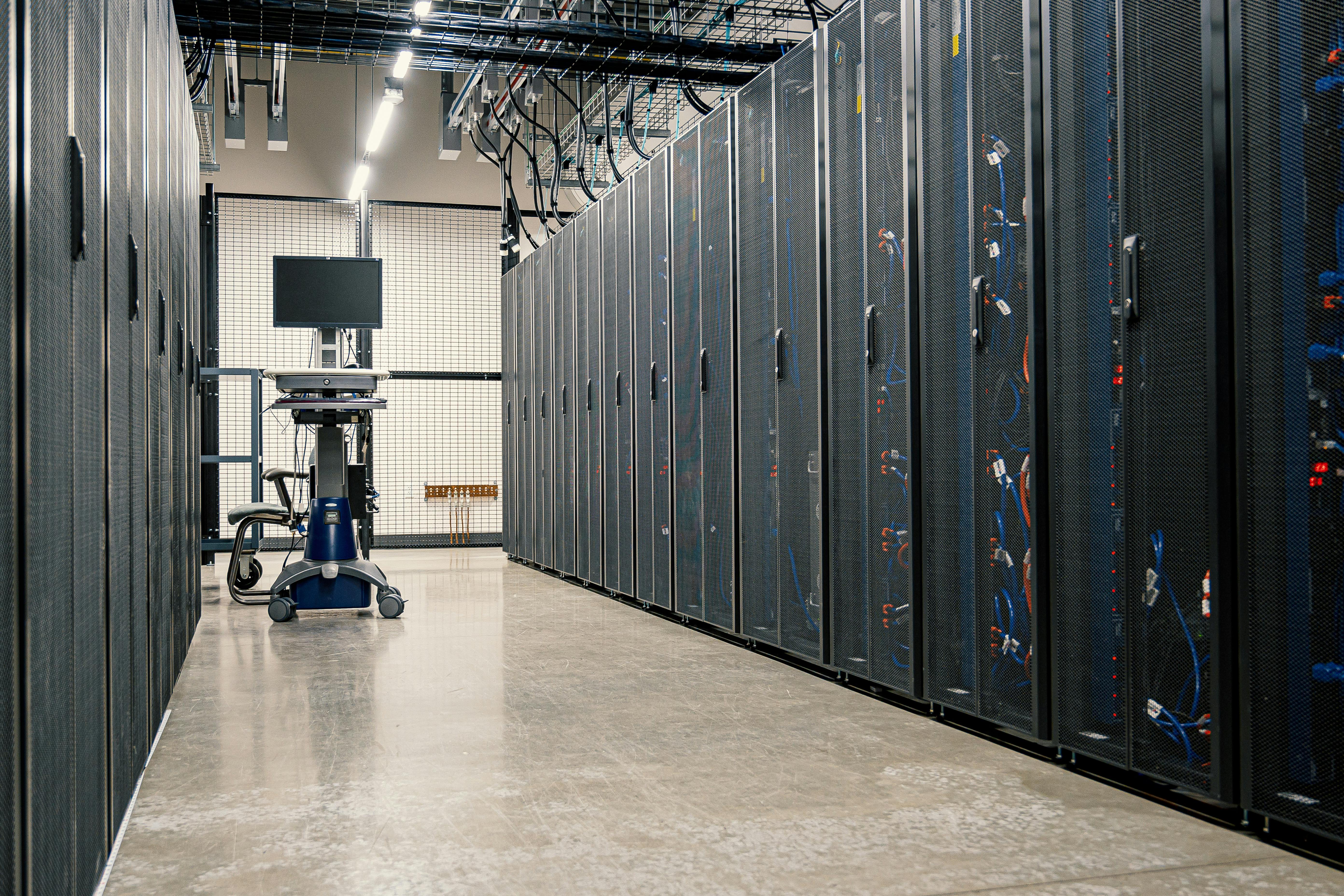
Photo by Brett Sayles on Pexels
A cloud computing career suits people who enjoy solving technical problems, learning new tools, and building systems that other people rely on every day. You do not need a computer science degree from a famous university to get started, but you do need practical skills, the right certifications, and real hands-on practice.
What Is Cloud Computing?
Cloud computing means delivering computing services over the internet instead of running them on a single computer in an office. Companies rent servers, storage, databases, and software from cloud providers and pay for what they use. This makes it cheaper and faster to launch new products, store large amounts of data, and serve customers around the world.
Cloud professionals design, build, and manage these systems. They make sure websites stay online, data stays safe, and new features can be released quickly. Their work sits behind almost everything we use online, from banking apps to streaming video and online classrooms.
Cloud Computing Jobs in the USA in 2026
There are several common job titles in cloud computing. A cloud engineer builds and manages cloud infrastructure and deploys applications. A cloud architect designs the overall system and decides which services a company should use. A DevOps engineer connects software development with cloud operations so updates can be released safely and quickly. A cloud security specialist protects data and systems from attacks, and a cloud support engineer helps customers solve technical problems.
Many of these roles are open to people with a few years of experience in IT support, networking, or software development. Employers care more about what you can build and manage than about where you studied, which makes cloud computing one of the most accessible high-paying careers in technology.
Cloud Engineer Salary in the USA in 2026
Cloud computing pays well. Entry-level cloud roles in the USA usually pay a solid salary, and experienced cloud engineers and architects earn considerably more, especially in technology hubs such as Seattle, San Francisco, New York, and Austin. Salaries rise further for people who specialise in security, machine learning infrastructure, or large-scale system design.
Many employers also offer bonuses, stock options, remote work, and generous training budgets. Because skilled cloud professionals are hard to find, companies compete for them, which keeps pay and benefits strong. Contract and freelance cloud work is also common, and experienced consultants can charge high hourly rates.
Skills You Need for a Cloud Computing Career
The most important skill is a solid understanding of one major cloud platform. Amazon Web Services is the largest, so many beginners start with AWS, while Microsoft Azure is a strong choice if you want to work with companies that use Microsoft products, and Google Cloud is popular with data and machine learning teams.
You also need networking basics, an understanding of how the internet works, and knowledge of operating systems, especially Linux. Scripting with Python or Bash is very useful, as is familiarity with containers such as Docker and orchestration tools such as Kubernetes. Knowledge of databases, security principles, and automation tools rounds out the skill set. None of these skills is hard to learn on its own; the challenge is putting them together on real projects.
Best Cloud Certifications to Get in 2026
Certifications help employers quickly see what you know, and they are especially valuable when you are starting out. The AWS Certified Solutions Architect Associate is one of the most recognised entry-level cloud certifications. Microsoft’s Azure Fundamentals and Azure Administrator Associate are good choices for the Azure path, and Google’s Associate Cloud Engineer suits the Google Cloud path.
A good approach is to pick one platform, earn its entry-level certification, and then add a second one as you gain experience. Certifications alone will not get you a job, but combined with hands-on projects they make a strong impression. Building a small website, setting up a database, or automating a backup in a free-tier cloud account gives you real experience to talk about in interviews.
How to Become a Cloud Engineer: A Practical Roadmap
Start with the basics: learn how computers, networks, and the internet work, and get comfortable with Linux and one scripting language. Then choose a cloud platform and work through its official training, which is often free or low cost. Earn your first certification while building two or three small projects in a free-tier account.
Next, look for an entry-level job in IT support, system administration, or junior development. These roles teach you how real systems behave and give you the experience cloud employers want. Keep learning, add a second certification, and apply for cloud engineer roles once you can show real projects and a year or two of relevant experience. Many people make this move within two to three years.
Is Cloud Computing a Good Career in 2026?
Cloud computing remains one of the strongest career choices in technology. Demand is broad, pay is high, remote work is common, and the skills transfer across industries, from healthcare to finance to entertainment. The field changes fast, so you must keep learning, but that is also what keeps the work interesting. For anyone who enjoys technology and wants a career with clear growth, cloud computing is a practical and rewarding choice in 2026.
Related reading: Data Science Careers Worldwide and Worldwide Technology Systems in Healthcare and Medical Science.
Frequently Asked Questions
Do I need a degree to work in cloud computing in the USA?
A degree helps, but it is not essential. Many cloud engineers are hired on the strength of certifications, hands-on projects, and relevant IT experience.
Which cloud certification should I get first?
Start with the entry-level certification for the platform you plan to use most, such as AWS Certified Cloud Practitioner or Azure Fundamentals, then move to an associate-level certification.
How long does it take to become a cloud engineer?
With focused study and a related IT background, many people move into a cloud role within one to two years, though building senior-level expertise takes longer.
Disclaimer: This article is for general information only and is not career or financial advice. Salaries, certification requirements, and hiring practices vary by employer and change over time, so please check official provider documentation and current job listings before making decisions.